

A website can help a small business explain its services, build trust, and turn visitors into customers. But choosing the right person to build it can be difficult. Many designers offer attractive websites, yet their prices, skills, and services can be very different.
The best way to choose small business website design services is to look beyond appearance. You need someone who understands your business, can build a website for your customers, explains the costs clearly, and provides support when you need it.
This guide covers what to look for, which questions to ask, how to compare designers, and what to check before signing an agreement.
1. Understand What Your Business Needs From a Website
Before contacting a designer, decide what you want your website to achieve. A clear goal will help you choose the right service and avoid paying for features you do not need.
For example, a local cleaning company may need service pages, customer reviews, a contact form, and a phone number visitors can tap. An online clothing store will need product pages, a shopping cart, payment options, and order management.
Common website goals include:
- Getting more enquiries: Help potential customers contact you by phone, email, or form.
- Showing your services: Explain what you offer, who you serve, and why customers should choose you.
- Selling products: Let customers browse products, pay online, and place orders.
- Booking appointments: Allow visitors to choose a service and request or confirm a booking.
- Building trust: Display real business information, team details, reviews, and examples of your work.
Write down your main goal before speaking to a designer. Then list the pages and features you need.
A simple plan makes it easier to explain your project and compare quotes from different providers.Before comparing small business website design services, identify the features your business needs most.

2. Look for Experience That Matches Your Project
Not every website designer for small business projects is right for every business . Some focus on simple business websites, while others work on online stores, booking systems, or custom web applications.
You do not always need someone who has worked in your exact industry. However, you should look for experience with similar website needs.
For example, if you run a plumbing business, look for websites that present services clearly and make it easy for visitors to request a quote. If you own a small online shop, look for examples of product pages, checkout systems, and product filters.
When comparing small business website design services, review projects that are similar to your own website requirements.
How to Evaluate Web Page Designers for Small Business Websites
A portfolio shows examples of a designer’s work. Do not judge it only by screenshots or attractive colors.
Open a few websites they have built and check:
- Can you understand the business within a few seconds?
- Is the menu easy to use?
- Do the pages look good on a phone?
- Can you find contact information without searching for it?
- Do the buttons and contact forms work?
- Are the pages clear, organized, and easy to read?
Ask the designer what work they completed on each project. They may have handled the design, development, content, or only part of the process.
Practical tip: Choose two or three live websites from each portfolio and test them yourself. This gives you a better idea of the designer’s work than a collection of polished screenshots.
3. Compare Freelancers, Agencies, and Website Builders
There are several ways to get a website built. Finding the best website developer for small business projects also means comparing technical skills, communication, and the support offered after launch .
| Option | Best For | What to Consider |
| Freelance Web Designer | Small projects that need direct communication | One person may handle most tasks, but availability can be limited. |
| Web Design Agency | Projects needing a team of designers, developers, and content specialists | You may get more services in one place, but the price can be higher. |
| DIY Website Builder | Simple websites and owners who want to build the site themselves | Lower upfront costs may mean more time spent learning and managing the site. |
| Specialized Web Developer | A web developer for small business projects involving custom features, integrations, or complex website functions | More advanced work may require a larger budget and ongoing technical support. |
A freelancer can be a good choice for a small business that needs a straightforward website and direct contact with the person doing the work.
An agency may be a better fit when your project needs several types of expertise. A website builder may work well if your needs are simple and you are comfortable managing the site yourself.
Compare the service, not just the provider’s title. A skilled freelancer may be a better fit than an agency for one project, while another business may need a larger team.
4. Review the Full Range of Services
Small business website design services can include website development, responsive design, basic SEO, contact forms, and ongoing support. Others build the website, add content, set up basic SEO, connect forms, and offer ongoing support.
Before choosing website services for small businesses, ask what is included in the package.
Website design and development
Design covers the website’s appearance and how visitors navigate it. Development makes the design functional using a website platform, code, or both.
Your provider should detail how the website will be built and why this method meets your needs.
Mobile-friendly design
Your website should be easy to use on phones, tablets, and desktop computers.
Check if the designer will adjust menus, text, images, forms, and buttons for smaller screens. A page that looks good on a desktop may be hard to use on a phone with tiny text or crowded buttons.
Website content
Your pages need clear text that explains your services and answers customer questions.
Ask whether writing and editing are included. If you must provide all the content, find out what format the designer needs and when it is due.
Basic search engine optimization
A website should cater to both search engines and visitors. Check if the service includes basic SEO tasks like:
- Descriptive page titles and meta descriptions.
- Clear headings and page structure.
- Search-friendly URLs.
- Image optimization with descriptive alt text.
- XML sitemap setup, if needed.
- Basic technical checks before launch.
Basic setup won’t ensure high Google rankings. Ongoing SEO needs extra work. This includes content planning, keyword research, and link building.
Contact Forms and Other Features
Create a list of features your business requires. These might include:
- Contact or quote request forms.
- Appointment booking.
- WhatsApp or live chat.
- Email newsletter sign-up.
- Online payments.
- Customer reviews.
- Product search and filters.
Ask which features are included in the quote and which require extra fees or third-party subscriptions.
5. Make Sure the Website Is Easy to Use
A beautiful website isn’t enough if visitors can’t find information or complete tasks.
Good web designers for small businesses should consider the customer’s journey. They need to help visitors understand what the business offers and what to do next.
Take a small landscaping company, for example. A visitor may want to view services, check past projects, and request a quote. These actions should be easy to find without opening multiple unrelated pages.
When reviewing a design, ask yourself:
ourself:
- Is the main message clear?
- Can visitors find the most important services?
- Are contact details easy to locate?
- Are the buttons clear and useful?
- Is the text readable?
- Can visitors complete important tasks without confusion?
Ask the designer how they plan to organize the pages. A simple structure based on customer needs is often more useful than adding extra sections just to make a website look bigger.
6. Ask Which Website Platform They Recommend
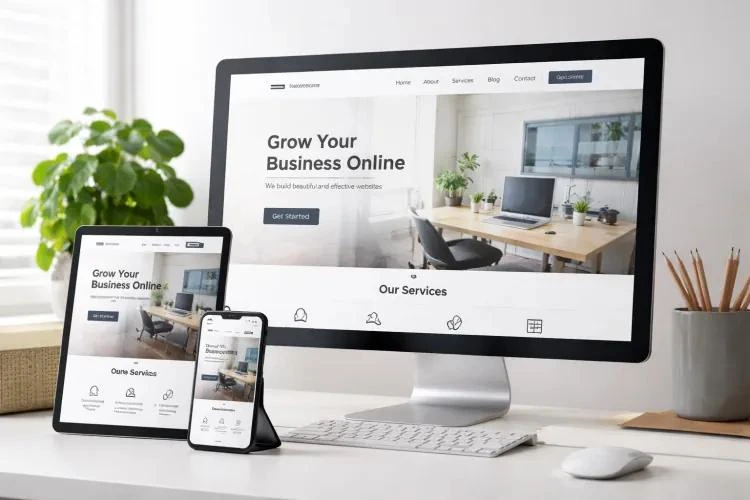
The platform affects how your website is built, managed, and updated. Ask the designer which platform they recommend and why.
WordPress
WordPress works well for service businesses, company sites, and blogs. Explore our WordPress website design services to learn more.
Shopify
Shopify is made for online stores. Our Shopify website design services can help businesses create and manage their online stores.
Wix or Squarespace
These platforms can work well for simple business websites. Consider our Wix website design services if you need help building a site.
Custom development
When standard platforms fall short, custom website development services can provide solutions tailored to specific business needs.
7. Understand the Full Website Design Cost
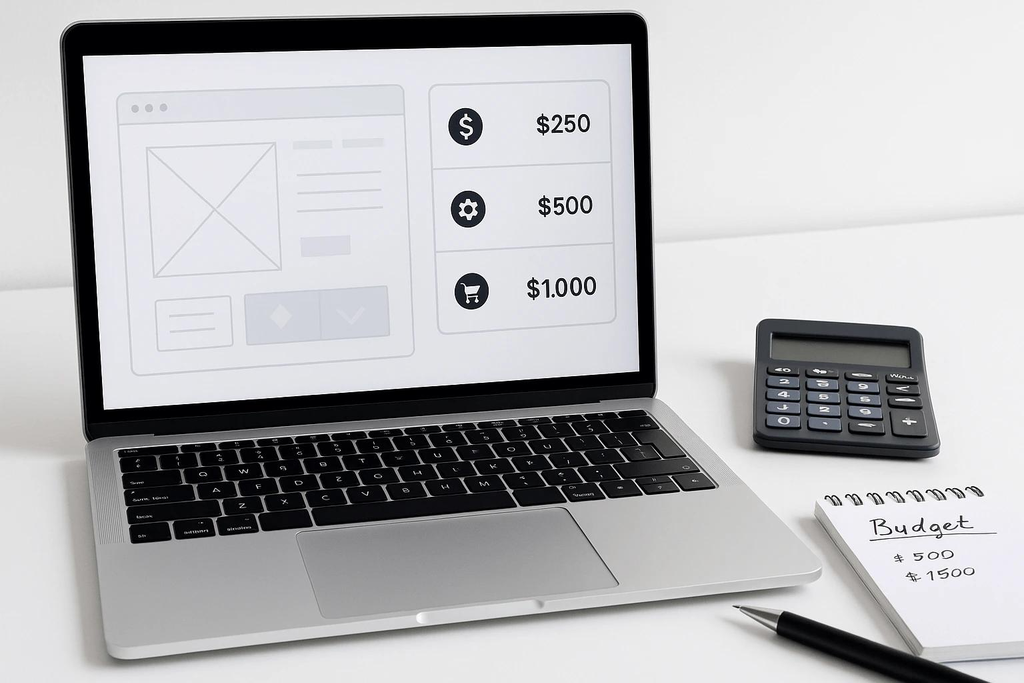
Price matters, especially when you are running a small business. However, the lowest quote may not be the best value if important services are missing.
Website design costs vary based on several factors. These include the number of pages, design needs, platform, features, content, and support level. A simple service website requires different work than a large online store or a custom booking system.
When comparing quotes, ask each provider to list:
- The number of pages included.
- Design and development work.
- Content writing and image sourcing.
- Domain and hosting costs.
- Paid themes, plugins, or software.
- Contact forms and integrations.
- Basic SEO setup.
- Number of revision rounds.
- Testing and website launch.
- Maintenance and future support.
Also ask which services are not included.
For example, one quote might cover website design and launch. Another could include content writing, hosting, and several months of support. Comparing only the final prices would not give you a fair picture.
One-time and Ongoing Costs
Your initial website payment may not cover every future expense.
| Cost | What to Ask |
| Domain | Who registers it, and what is the renewal fee? |
| Hosting | What does the plan include, and how often is it billed? |
| Maintenance | Are updates, backups, and security checks included? |
| Paid Tools | Do any themes, plugins, or services require annual payments? |
| Future Changes | How much will new pages or extra features cost? |
Ask for a written quote and make sure you understand the payment schedule before work begins.
8. Check Their Communication and Work Process
A website project requires decisions, feedback, and information from both sides. Poor communication can cause delays even when the designer has strong technical skills.
Before hiring someone, find out how they manage a project.
A clear process should explain:
- Planning: They learn about your business, audience, goals, and required features.
- Structure: They agree on the pages and main content.
- Design: They share the proposed layout and collect your feedback.
- Development: They build the website and add the agreed features.
- Testing: They check the website on different screen sizes and test important functions.
- Launch: They publish the site and provide the agreed access and training.
Ask who your main contact will be, how often you will receive updates, and how you should submit feedback.
You should agree on how many revisions are included in the price. This shows everyone what a normal change is and what needs more work.
9. Confirm Website Ownership and Access
This is one of the most important things to discuss before paying for a website.
Your business should have clear rights and access to the website assets it has paid for. The exact ownership terms depend on your agreement, so put them in writing.
Ask these questions:
- Will the domain be registered in my business name or account?
- Will I have access to the hosting account?
- Will I receive administrator access to the website?
- Who owns the final design, text, images, and custom code?
- Will I be able to move the website to another provider?
- What happens if we stop working together?
Some platforms have special rules for moving websites, so ask about these before choosing a platform.
Make sure you can access key business accounts. This includes the website’s contact forms, analytics tools, and other connected services.
A good provider will explain these arrangements clearly. You shouldn’t rely on them for every small change.
10. Ask About Maintenance and Support After Launch
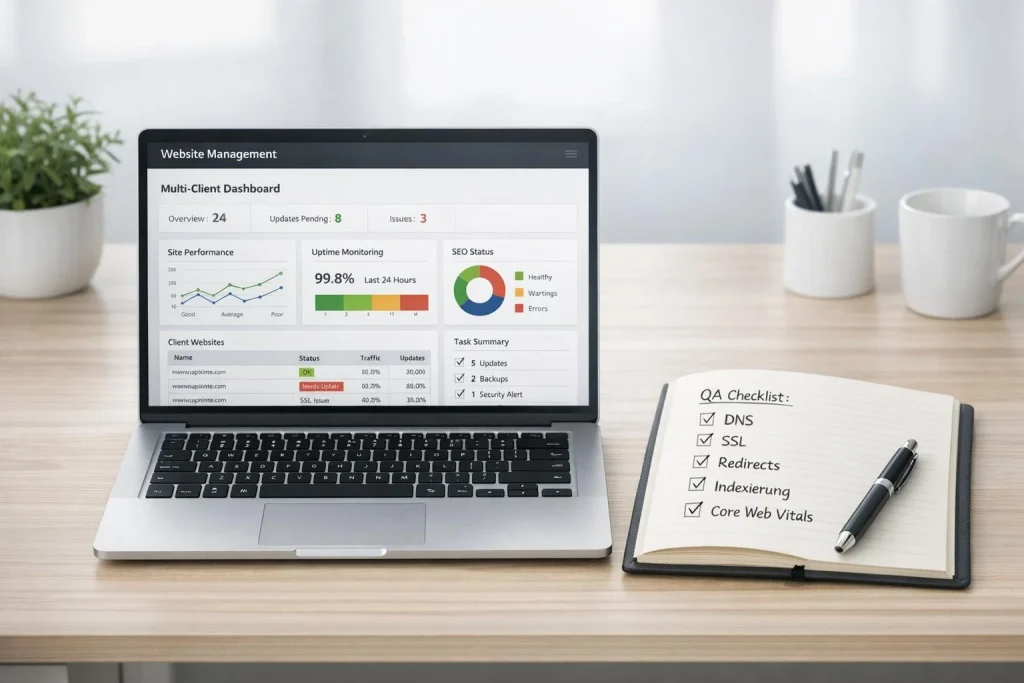
Publishing your website is not the end of the project. You may need updates, new pages, security checks, backups, or help when a feature stops working.
Before hiring a designer, ask what happens after launch.
Find out whether the provider offers:
- Software and plugin updates, where applicable.
- Regular backups and a way to restore the site.
- Security checks and help with website errors.
- Small content changes.
- Technical troubleshooting.
- Emergency support and response times.
Ask whether support is included for a set period or sold as a separate plan.
If you use WordPress, for example, you may need regular updates and backups to keep the site working properly. If you use a hosted website builder, the platform may take care of some technical tasks. However, it’s important to know what support is available.
Choose a plan that fits your website’s needs. A simple brochure website may not need the same level of maintenance as an online store that processes customer orders every day.
11. Watch for Warning Signs Before Hiring
A few warning signs can help you avoid an expensive mistake.
Guaranteed Google rankings: No designer can honestly guarantee a specific Google position just because they build your website.
Unclear pricing: Be careful when a provider cannot explain what the quote covers or which charges may appear later.
No live portfolio: If they only show mockups, ask for examples of websites they have actually completed.
No written agreement: Document the scope, payment terms, delivery expectations, revisions, and ownership.
Poor communication: If answers to basic questions are unclear before hiring, communication during the project may be difficult.
No plan for launch or support: Ask how the site will be tested, who will fix problems, and what happens after the project ends.
Unnecessary features: You should not have to pay for complex tools that do not support your business goals.
One warning sign does not always mean you should reject a provider. Ask follow-up questions and judge their answers before making a decision.
12. Use This Checklist to Compare Website Designers
Once you have shortlisted two or three providers, compare them using the same questions. This makes it easier to choose based on evidence rather than sales promises.
| What to Check | Questions to Answer |
| Portfolio | Have I tested their live websites? |
| Experience | Have they built something similar to my project? |
| Features | Does the quote cover everything I need? |
| Mobile Design | Will the website work well on different screen sizes? |
| SEO | Is basic SEO included, and what does it cover? |
| Pricing | Do I understand the full initial and ongoing costs? |
| Communication | Is the project process clear? |
| Ownership | Will I have the access and rights agreed upon in the contract? |
| Support | Do I know who will help after launch? |
| Editing | Can I update the website myself if needed? |
You can give each provider a simple rating for every item. Pay special attention to ownership, cost, communication, and the features your business cannot operate without.
The best choice is not always the provider with the longest portfolio or the lowest price. It is the one whose skills, process, and services match your actual needs.
Frequently Asked Questions
1. How do I choose the right website designer for a small business?
Start by defining your website goals and budget.
- Review live portfolio examples.
- Compare services and quotes.
- Ask about mobile design and basic SEO.
- Confirm ownership and support terms in writing.
. Choose a designer who understands your business and explains the process clearly.
2. How much do small business website design services cost?
The cost depends on the website’s size, features, platform, content, and level of support. A simple business website will usually cost less to build than an online store or custom web application. Request itemized quotes so you can compare what each provider includes.
3. Should I hire a freelancer or a web design agency?
A freelancer may suit a small, clearly defined project that needs direct communication. An agency may be more suitable when you need a team with several skills or a more complex service. Compare the workers, the agreed deliverables, and the available support. Don’t choose based only on company size.
4. What should a small business website include?
Most small business websites need:
- A clear homepage
- Service or product pages
- Contact information
- An easy way for visitors to take action
Depending on your business, you may also need testimonials, a portfolio, booking tools, a blog, or online payments.
5. Is WordPress a good choice for a small business website?
WordPress is a good choice for many small businesses. It supports various website types and provides flexible editing tools. However, the best platform for you depends on your goals, budget, technical needs, and how much you want to handle updates and maintenance.
6. Does a web designer also handle SEO?
Some designers include basic SEO setup, while others offer it as a separate service. Ask whether the quote covers page titles, meta descriptions, headings, image optimization, and technical setup. More extensive SEO work may need a separate plan.
7. How long does it take to build a small business website?
The timeline depends on the number of pages, required features, feedback, and how quickly the content is ready. A straightforward website may take a few weeks, while a larger project can take longer. Ask for a project schedule with clear milestones.
8. Who should own my business website and domain?
Your business should have control over its domain and the accounts needed to manage the website. Confirm who owns the design, content, code, and other assets under your agreement. Make sure you understand how to access or transfer them if you change providers.
Looking for small business website design services? Visit freelancewebdesigner.pro to explore your options and discuss a website that fits your business goals.